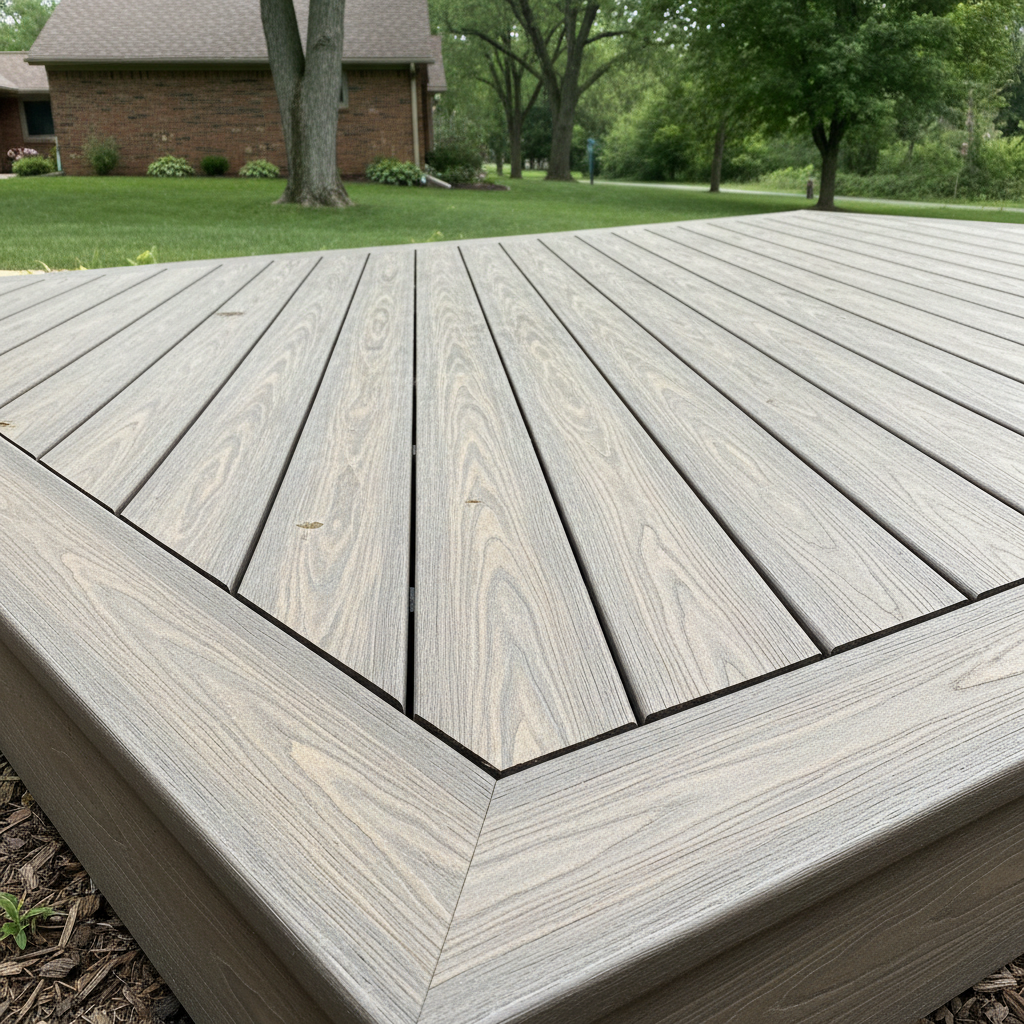
Alright, so you're thinking about a Trex deck. Good choice. Folks really like them for a reason, especially here in St. Paul where our weather can truly beat up a traditional wood deck. But what does actually getting one involve? And, more importantly, what parts of it can you realistically do yourself without ending up in over your head?
Before You Start: Planning Your Trex Deck
Before any boards get cut, you've got to do your homework. This isn't just about picking a color; it's about making sure your project is solid and legal. Trust me, you really don't want to be tearing down a brand new deck because you missed a step.
- Permits are Non-Negotiable: This is a big deal. Any deck project over a certain size (usually 30 inches off the ground or attached to the house) in St. Paul will need a permit. The city has specific requirements for footings, framing, and railings. You can find all this on the St. Paul Department of Safety and Inspections website. Don't try to skirt around this; it'll cost you more in the long run, believe me.
- Design & Layout: Think about how you'll actually use the deck. Do you want a dining area? A grilling spot? Maybe a quiet corner for coffee? Trex offers different board profiles and colors. Sketch it out. Measure your space. Consider sun exposure and how it affects your home. This is definitely something you can handle yourself.
- Foundation & Footings: This is where things get serious. In Minnesota, our frost line is deep, usually around 42-48 inches. Your footings need to go below that to prevent frost heave, which can literally lift and shift your deck over time. Digging these footings accurately and pouring concrete correctly is crucial. If you're not comfortable with heavy digging, precise measurements, and working with concrete, this is a prime candidate for professional help. A bad foundation means a bad deck, no matter how nice the Trex boards are.
- Material Selection: Trex has different lines – Trex Enhance, Select, Transcend. They vary in price, durability, and warranty. Do your research. Get samples. See how they look in different light. This is a homeowner's job, plain and simple.
During Construction: Building Your Trex Deck
This is where the rubber meets the road. Or, more accurately, where the boards meet the joists. Some parts are more DIY-friendly than others, you'll find.
- Framing: This is the backbone of your deck. It needs to be perfectly square, level, and built to code. Trex boards need specific joist spacing (usually 16 inches on center, sometimes 12 inches for diagonal layouts) to prevent sagging. If you're experienced with carpentry, framing a deck can be a rewarding DIY project. But if you've never built anything substantial, this is where most DIYers run into trouble. A wobbly frame means a wobbly deck.
- Attaching the Trex Boards: This is often the most satisfying part for a DIYer. Trex boards are designed for hidden fasteners, which give a clean look. They're pretty straightforward to install once you get the hang of it. You'll need specific tools like a composite deck board fastener tool and a good impact driver. Take your time, follow the manufacturer's instructions for gapping, and you can achieve a professional-looking finish here.
- Stairs & Railings: Stairs need to be built to exact rise and run specifications for safety. Railings also have strict code requirements for height, baluster spacing, and strength. While installing Trex railing systems can be done by a handy homeowner, getting the framing for stairs and the posts for railings perfectly right is crucial. If you're unsure about meeting code, especially with the St. Paul DSI inspectors, it's worth considering a pro for these elements.
After It's Built: Enjoying & Maintaining Your Trex Deck
The good news about Trex is that maintenance is minimal compared to wood. You're not staining or sealing every year, which is a huge win, especially after a long St. Paul winter.
- Cleaning: You'll still need to clean it. Dirt, pollen, leaves, and the occasional spilled barbecue sauce will accumulate. A simple scrub with soap and water and a soft brush usually does the trick. You can use a pressure washer on a low setting (under 1500 PSI) with a fan tip, but be careful not to damage the surface. Always test a small, inconspicuous area first.
- Inspections: Even though it's low maintenance, give your deck a once-over every spring. Check for any loose fasteners, wobbly railings, or signs of wear. Look at the ledger board where it attaches to your house – that's a common failure point if not installed correctly.
- Snow Removal: You can shovel snow off your Trex deck, but use a plastic shovel to avoid scratching the surface. Don't use ice melt that contains calcium chloride, as it can damage the boards.
Look, a Trex deck is a significant investment, and you want it done right. For the critical structural elements – the footings, the framing, and ensuring everything meets St. Paul's strict building codes – hiring a professional like St Paul Deck Solutions is often the smartest move. It ensures safety and longevity, and frankly, saves you a lot of headaches. For the finishing touches, like laying the deck boards or basic cleaning, many homeowners can confidently tackle those tasks. Know your limits, and don't be afraid to call in the experts when the job demands it.