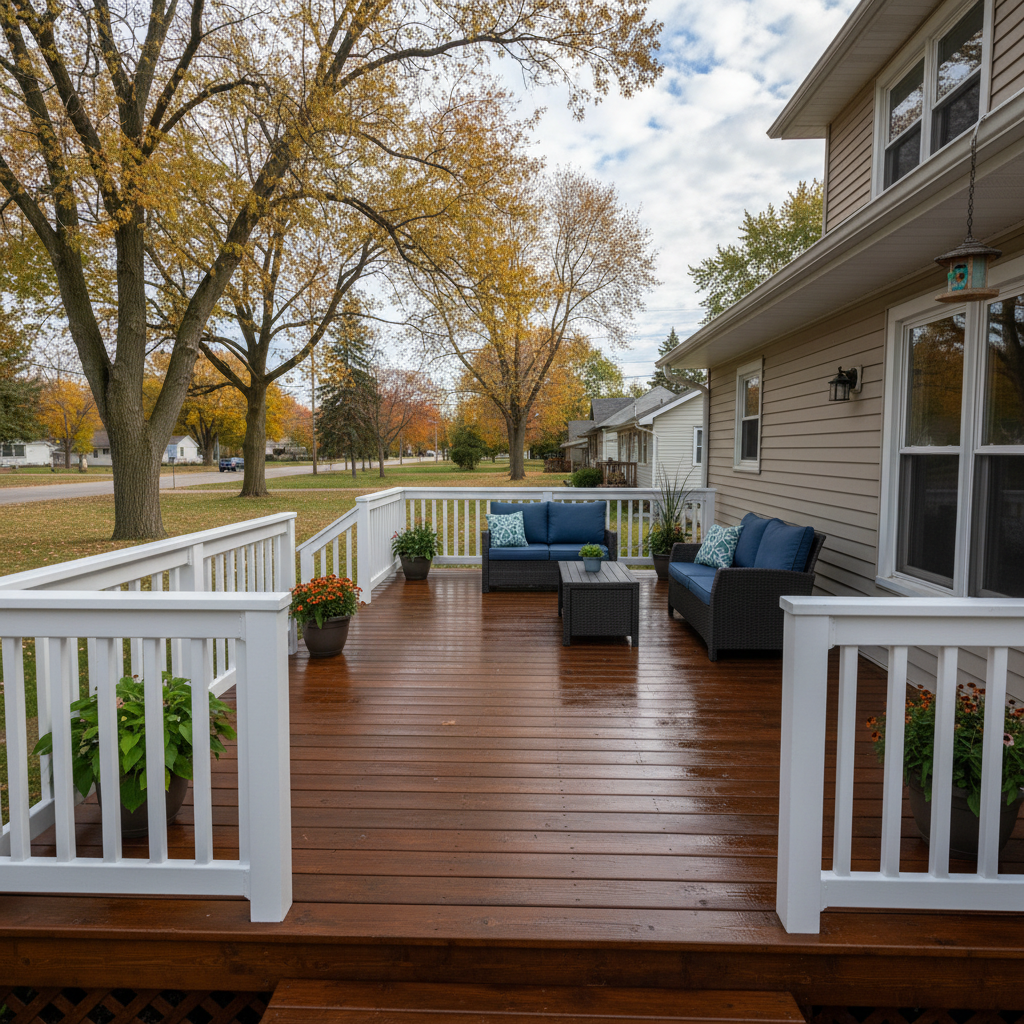
You've got a beautiful deck, and you want to keep it that way. That means keeping up with the stain or paint. But here in St. Paul, you can't just pick a random weekend and get to it. Our climate, with its wild temperature swings and unpredictable moisture, makes timing everything when it comes to protecting your deck.
Why Timing Your Deck Finish Matters So Much Here
Think about it: we go from bitter cold winters to hot, humid summers, often with a quick, wet spring and fall in between. That's a lot of stress on wood. If you stain or paint your deck at the wrong time, you're not just wasting money; you're actually doing more harm than good. The finish won't adhere right, it'll peel faster, and you'll be back to square one sooner than you think.
The biggest culprits are temperature and moisture. Stain and paint need specific conditions to cure properly. Too hot, too cold, too wet, too dry – all these can mess up the job. And since our weather can change on a dime, you've got to be smart about when you schedule this kind of work.
The Best Time to Stain or Paint Your Deck in St. Paul
Generally, you're looking for a stretch of mild, dry weather. That usually means late spring or early fall. Here's a breakdown:
- Late Spring (May to early June): This is often ideal. The temperatures are consistently above 50°F but not scorching hot yet. You've usually got less humidity than mid-summer, and the spring rains have hopefully tapered off. The wood has had a chance to dry out from winter, but it hasn't been baked by the summer sun.
- Early Fall (September to early October): Another great window. The intense summer heat and humidity are gone, but you're still getting daytime temps in that sweet spot (50-75°F). You just need to watch out for those early morning dews and make sure you've got a few days of dry weather ahead before the really cold nights set in.
What you want to avoid is the peak of summer. July and August can be brutal with high heat and humidity. The finish can dry too fast on the surface, trapping solvents underneath and leading to blistering or poor adhesion. Plus, working in that kind of heat isn't fun for anyone.
Weather Conditions to Watch Out For
Beyond the season, you need to pay close attention to the daily forecast. Here's what I tell folks:
- Temperature: Most stains and paints specify a temperature range, usually between 50°F and 85°F. Don't push it. If it's going to dip below 50°F overnight, even if it's warm during the day, that can affect the curing process.
- Humidity: High humidity slows down drying. If it's super muggy, your finish will take longer to dry and cure, making it more vulnerable to rain or dew. Aim for days with lower humidity.
- Rain: Obvious, right? But it's not just about applying it when it's dry. You need several days of dry weather *after* application for the finish to properly cure. A sudden downpour hours after you've finished can wash away your hard work or leave unsightly marks. Check the 3-day forecast at least.
- Direct Sunlight: While you need warmth, applying stain or paint in direct, blazing sun can cause it to dry too quickly, leading to lap marks or poor penetration. Try to work in the shade if possible, or schedule your work for earlier in the morning or later in the afternoon when the sun isn't directly overhead.
- Wind: A little breeze is good for drying, but too much wind can cause dust and debris to stick to your wet finish. It also makes spray application a nightmare.
Year-Round Protection: It's More Than Just Staining
Staining or painting is a big part of it, but protecting your deck is an ongoing job. Our St. Paul winters, especially with the freeze-thaw cycles and heavy snow loads, are tough on decks. Here's what else you can do:
- Keep it Clean: Regularly sweep off leaves, dirt, and debris. Organic matter traps moisture and can lead to mold and mildew, which break down your finish and the wood itself. This is especially true in areas like Highland Park where you've got a lot of mature trees dropping leaves.
- Clear Snow Promptly: Don't let heavy snow sit on your deck for weeks. It adds weight and introduces a lot of moisture as it melts. Shovel it off carefully, avoiding sharp metal shovels that can gouge the deck surface.
- Check for Damage: Do a quick inspection a couple of times a year. Look for loose boards, popped nails, splinters, or areas where the finish is starting to fail. Catching small problems early prevents them from becoming big, expensive ones.
- Address Repairs: If you see a problem, fix it. A loose board can lead to a fall, and a small patch of peeling stain can quickly spread if left untreated.
Taking care of your deck isn't just about making it look good; it's about extending its life and keeping your family safe. If you're unsure about the best approach for your specific deck or if you'd rather leave the heavy lifting to the pros, give us a shout at St Paul Deck Solutions. We're always happy to talk through your options and make sure your deck is ready for whatever Minnesota weather throws at it.